We need to talk about that little cheetah cub... and conservation
As 1.1 million+ people and counting on my Instagram have seen, while in Hwange I experienced a heartbreaking incident with a cheetah cub.
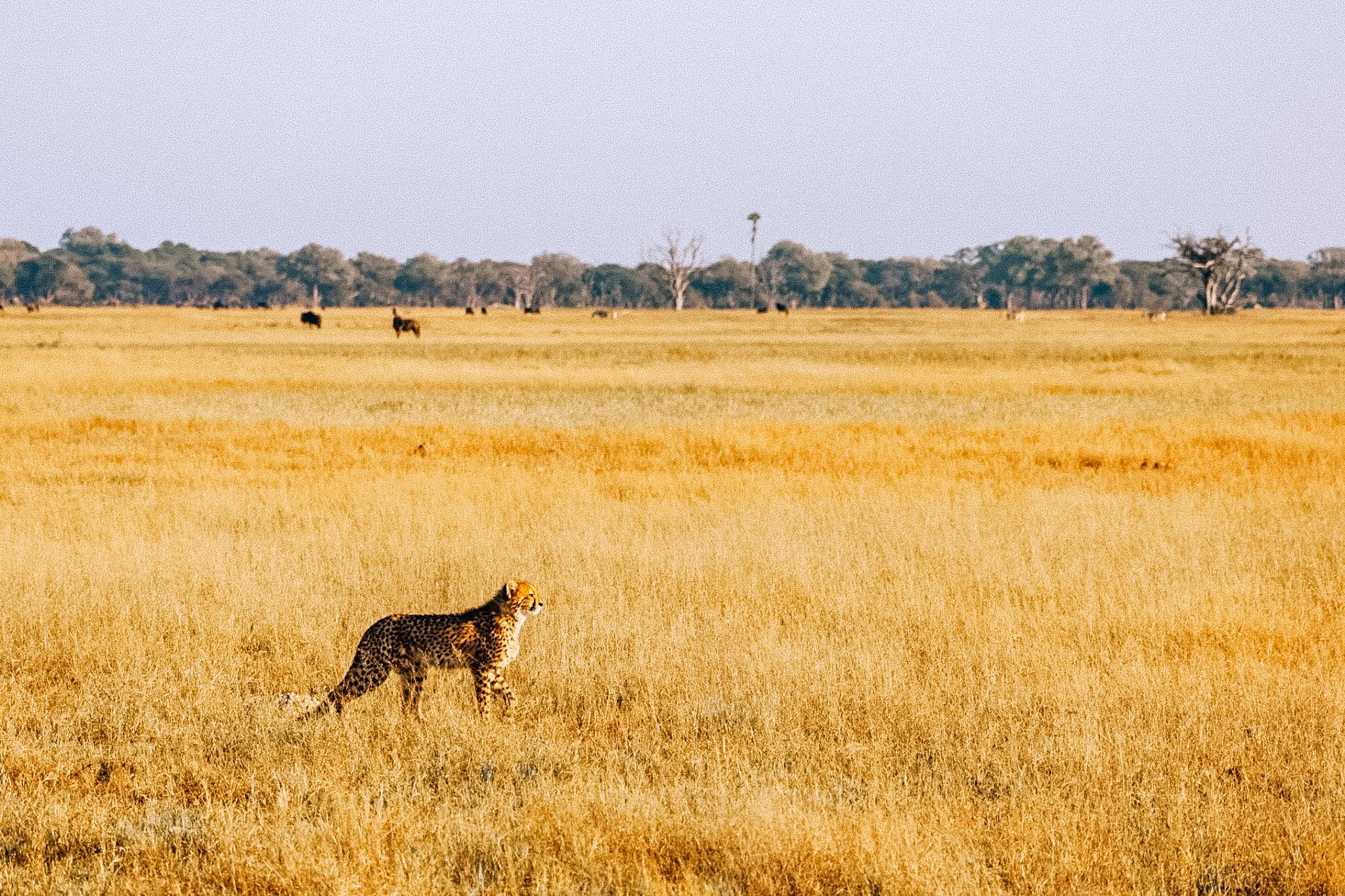
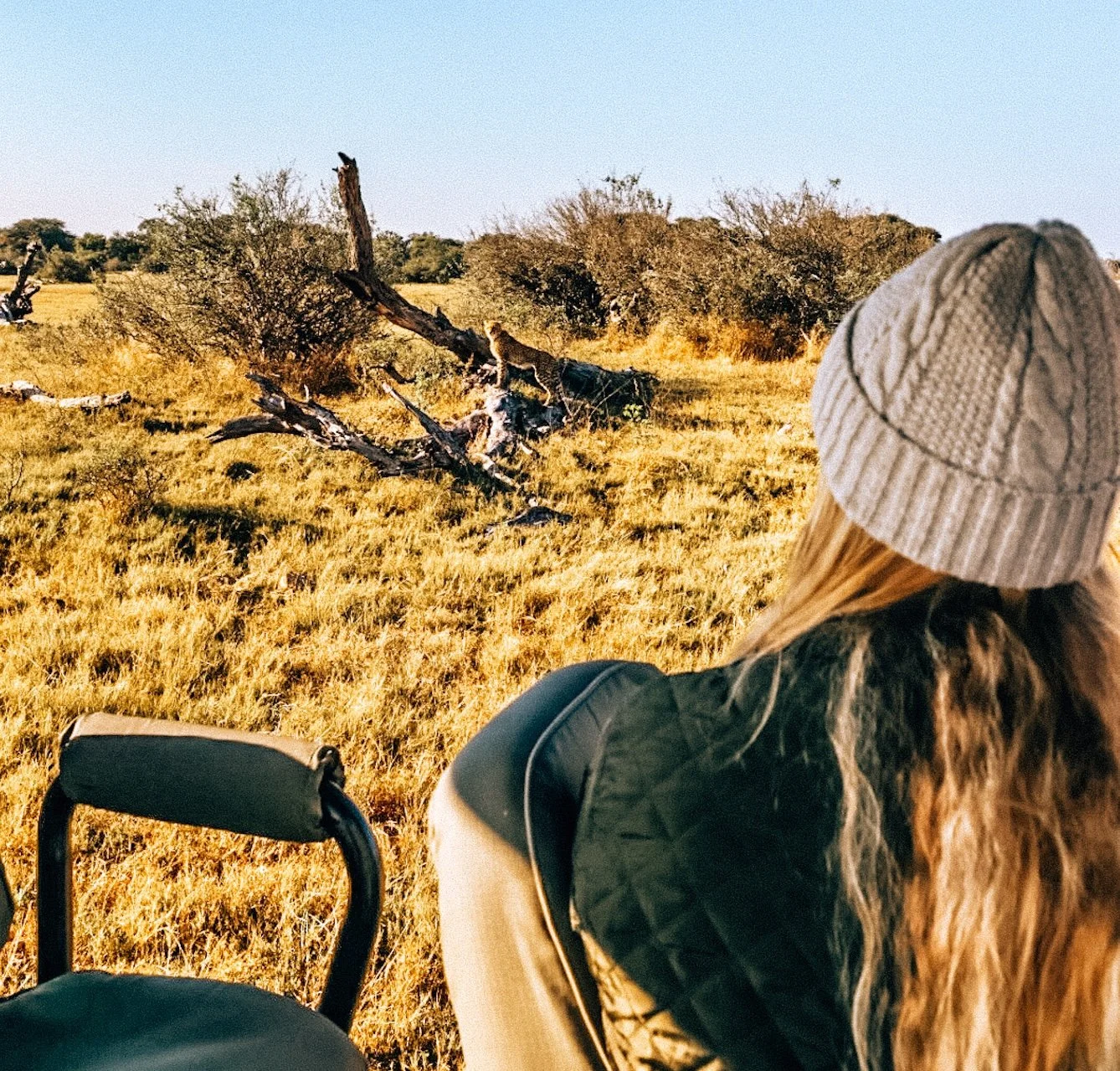
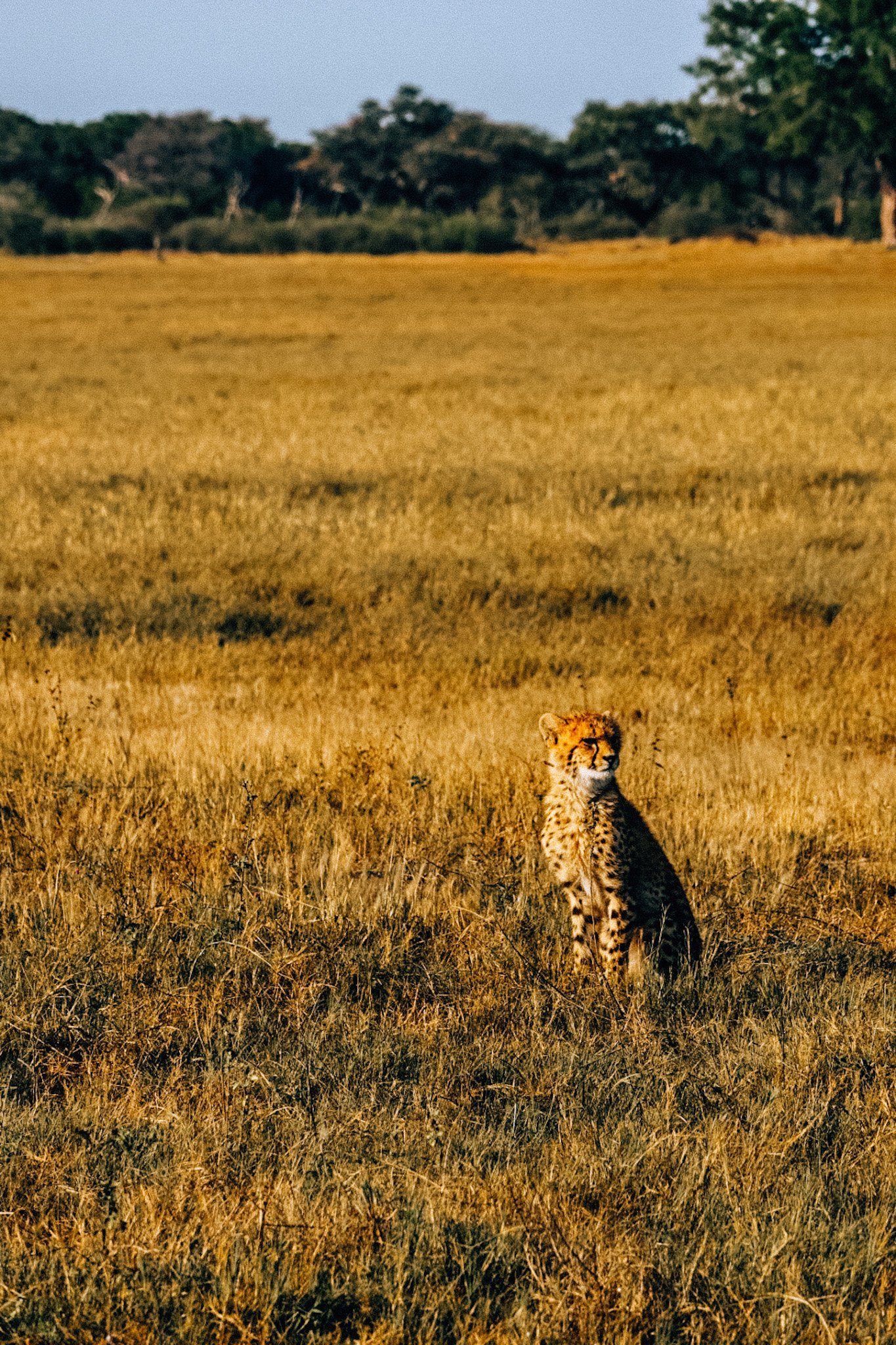
I’ve just been on a the most incredible safari with Imvelo Safari Lodges in Hwange National Park (stay tuned for this blog post). On our safari, we came across this little cheetah cub, who was around 8 months old. His mama, Cindy, was missing. For three days, this little cheetah wandered the Ngamo Plains alone without her — searching, looking, calling for his mother. 💔 It was the hardest thing I’ve witnessed in the wild.
It actually brought back memories of one of the hardest times in my life, when our precious family dog Barney went missing and we were searching, retracing the same area, calling calling calling for him for weeks... but he was gone.
And with what’s unfolded after, mostly in my Instagram comments, I’m reminded of why choosing the right safari operators matters so much. Ethical conservation-focused tourism is one of the most powerful tools protecting wildlife in Africa today. If planning an African safari feels overwhelming, this is exactly what I help my clients navigate — matching them with camps and conservation initiatives that are genuinely making a difference on the ground.
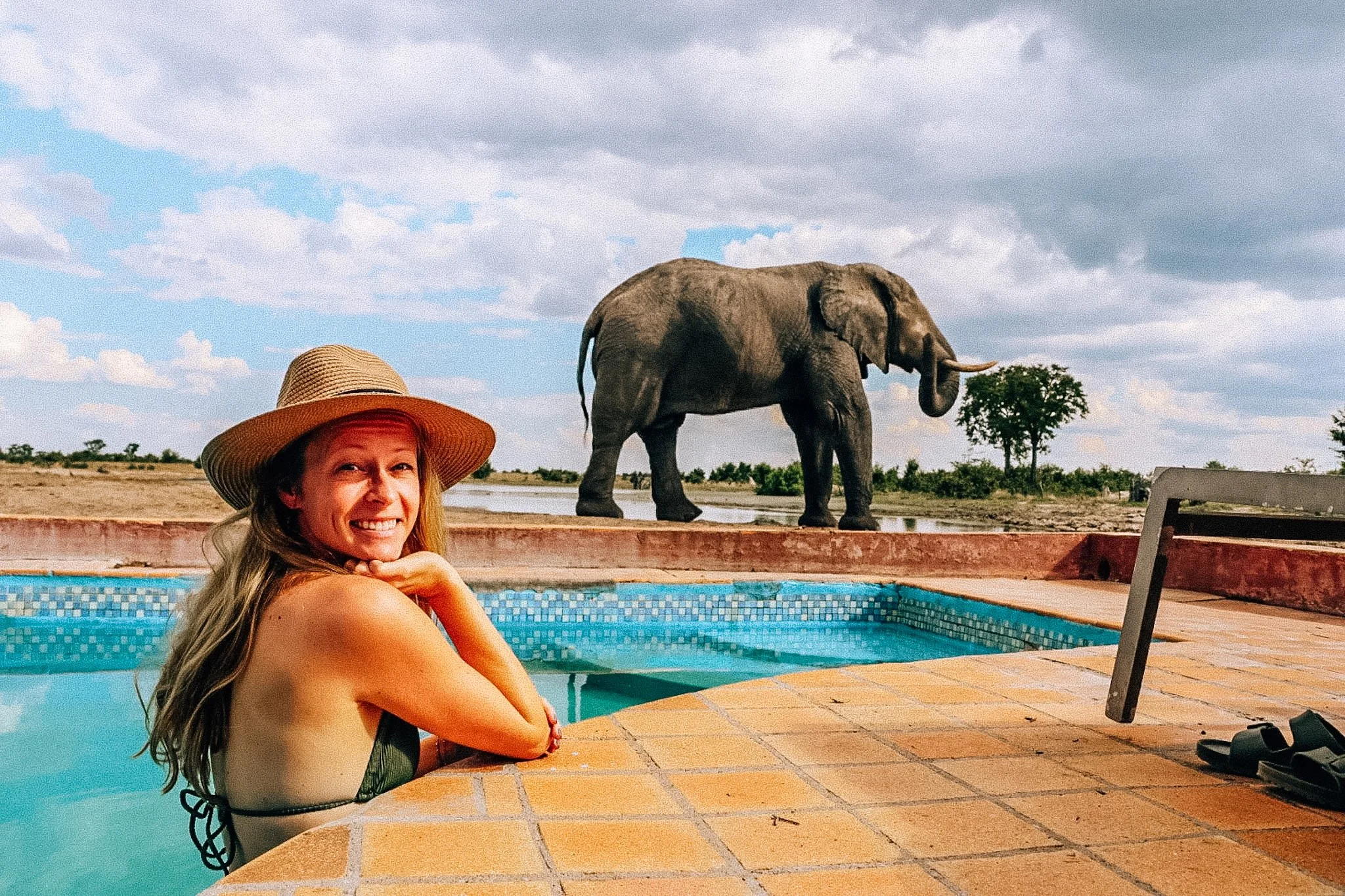
We don’t know what happened to Cindy. But there were a lot of lions in the area, and lions will kill other predators who are competition for food.
The cub was still too young to properly hunt and fend for himself. I think what hurt the most was how he was spending so much energy searching and calling for her, where I wished he could have been channelling that energy instead towards catching himself some food — a bird, a rabbit, mongoose, anything to keep him going.
As I burst into tears on the safari vehicle, had many conversations with rangers here at Imvelo Safari Lodges, and watched the debate unfold across my Instagram comments section, I realized how many misconceptions exist around conservation — and how much opportunity there is for education.
There is no simple answer here. But I’ve learned a LOT about conservation thanks to this cheetah cub, including some very eye-opening considerations — and it’s important for me to use my platform and my voice for the things I care about. So let’s dive in.
“You need to tell someone!”
Literally baffled at how many people seem to think I was just keeping this cheetah sighting as my little secret. YOU GUYS. On safari and especially here in Hwange, in the capable hands of the Imvelo, we are with some of the most HIGHLY TRAINED GUIDES and CONSERVATION-MINDED PEOPLE IMAGINABLE. Imvelo’s entire MODEL is built on conservation. Aside from genuinely caring, their livelihoods DEPEND on wildlife surviving. So as a starting point for this discussion, please educate yourself — Imvelo is playing conservation chess while everyone else is playing checkers.
Some of these people in my comments do not go outside enough and it shows. 🙄
Of COURSE qualified teams were aware of the cheetah, monitoring and assessing the situation every step of the way. The Imvelo rangers were in constant communication with conservation teams, vets, researchers, and national parks officials while monitoring the cub.
“Save It! Send It To A Sanctuary!”
It’s easy for us as humans to say this emotionally. Trust me, I wanted to pick that baby up and give him a cuddle and all of my food and protect him forever.
But conservation is not always emotional. There’s a bigger picture here, and it’s ecological.
And unfortunately, wildlife conservation is far more complicated than “pick up the baby animal and save it.”
There are laws and policies for this — THERE HAS TO BE.
It’s not up to Imvelo, other lodges in the area, or certainly not me as a guest, to simply tranquilize a wild cheetah and remove it from the ecosystem. Can you imagine the precedent that would set? You might as well put up a sign at the park entrance saying “POACHERS WELCOME, COME ONE COME ALL, TAKE WHAT YOU WANT AND DO WHATEVER YOU THINK IS BEST”.
Each situation is monitored and assessed individually, but in general, if an animal is suffering due to human interference (snaring, poaching, hit by a vehicle), then the intervention will happen. But if it’s naturally occurring in the wild, generally, nature will need to run its course.
Why??
Because this is not just about this one individual cheetah cub. It’s an entire interconnected system — the circle of life, if you will.
We don’t always see the ripple effects of disrupting this circle of life.
If the cheetah dies, it would be a meal for other animals trying to survive. What if it would go on to feed a whole family of hyena pups, one who was malnourished and would have died if it didn’t get that meal?
Who makes the call that the cheetah cub’s life was more important than the hyena pup’s?
“But cheetahs are endangered”
Ok, then what if it was meant to feed a family of lappet-faced vultures — who are also endangered? Or the striped hyena, who are also near threatened?
Now it’s a game of “humans get to decide which species survives.” And conservation isn’t just about prioritizing animals that humans think are prettier.
During this discussion (which i did have in real life), I then asked “but what if the cheetah was on the BRINK of EXTINCTION - then would we intervene?”
They aren’t, though. Yes cheetahs are rare in Hwange, but they are not on the brink of extinction as a species.
“Couldn’t they rescue it then release it later?”
Not. That. Simple.
Releasing predators back into the wild is INCREDIBLY difficult. A habituated cheetah raised by humans likely won’t know how to property hunt, or navigate predators that are higher in the food chain, or survive independently. It has become dependent on humans for food and protection, and when you remove that, it can become a death sentence.
I can’t believe I even have to say this, but this dependency is the same reason the people who are commenting “feed it!” are missing out on the bigger picture here.
And this brings us to an even harder truth…
Wild animals are commodities.
As much as we would love to imagine every rescued cheetah being sent to some beautiful wildlife utopia, CORRUPTION exists EVERYWHERE — and believe me, Africa is NO exception.
There is never a 100% guarantee where an animal ultimately ends up, especially in parts of the world where wildlife trafficking remains a massive issue.
There is a very real possibility that an animal could end up going to the highest bidder — and that is likely not the utopian rescue people in my comments are imagining.
That animal COULD end up in genuine conservation care… though even then, it would likely mean a life in captivity, far from the wild home it was born into.
Or it could end up behind bars for life.
Or WORSE.
“But isn’t captivity better than dying?”
…Is it?
If you had the choice between one chance at survival in your natural wild habitat — or a guaranteed life behind fences forever — what would you choose?
Have you asked the cheetah?
This is where I learned another important lesson: we cannot impose human emotions and values onto wildlife. This is known as Anthropomorphism: the ascribing of human personality, preferences, cognition etc on animals.
There’s also something else worth considering…
BEST CASE SCENARIO
What if he SURVIVES?
Life in the bush is guided by NATURAL SELECTION. Every herd, every predator, every animal you see out there has survived because they were the strongest, smartest, fastest, or most adaptable.
There absolutely are stories of orphaned or injured animals adapting, learning quickly, and surviving against the odds. Maybe he would have figured out how to catch rabbits, birds, or small prey… grub, if you will. Maybe this was his Simba story.
Maybe he would have become the biggest badass cheetah in Hwange.
Was it our place to deprive him of a thriving life in the wild, if that was his destiny?
“Humans are already intervening by being there, you owe it to him to save him”
This is a comment that is being blasted ALL OVER my cheetah reel… but honestly, it just shows the major misunderstanding of what the safari industry actually does when it’s done ethically and correctly — which is something I care deeply about as a safari specialist.
Without the safari industry, many of these ecosystems and species would not survive at all.
Tourism dollars and the presence of these conservation teams in parks fund anti-poaching units, ranger salaries, wildlife protection, conservation efforts, and community programs that keep wildlife alive and protected. Every single safari booking I make for my Adventurelust clients includes a conservation levy that directly contributes to these efforts on the ground.
If it weren’t for these tourism dollars, you would see graveyards of elephants with their tusks removed for ivory and rhinos with their horns hacked off for the illegal wildlife trade. Ask Imvelo — they’ve seen it. And that’s exactly why they’re doing this work.
As much as we would all love to save this one cheetah cub, conservation is about the bigger picture. It’s about protecting ecosystems as a whole, lowering human-wildlife conflict, and working with local communities to create a future where wildlife can survive long term — which is exactly what Imvelo is doing.
And I do need to say this: the animals in Hwange could not be in more capable hands than the team at Imvelo Safari Lodges.
They are true pioneers in both wildlife conservation and community empowerment here in Zimbabwe. The amount of work they do behind the scenes for surrounding communities, anti-poaching efforts, education, healthcare, water access, and conservation is honestly incredible.
If you want to understand the bigger picture of conservation in Hwange, I really encourage you to learn more about their work — starting here: https://imvelosafarilodges.com/conservation/ or dm me and we can take it from there (no trolls allowed pls 🙄).
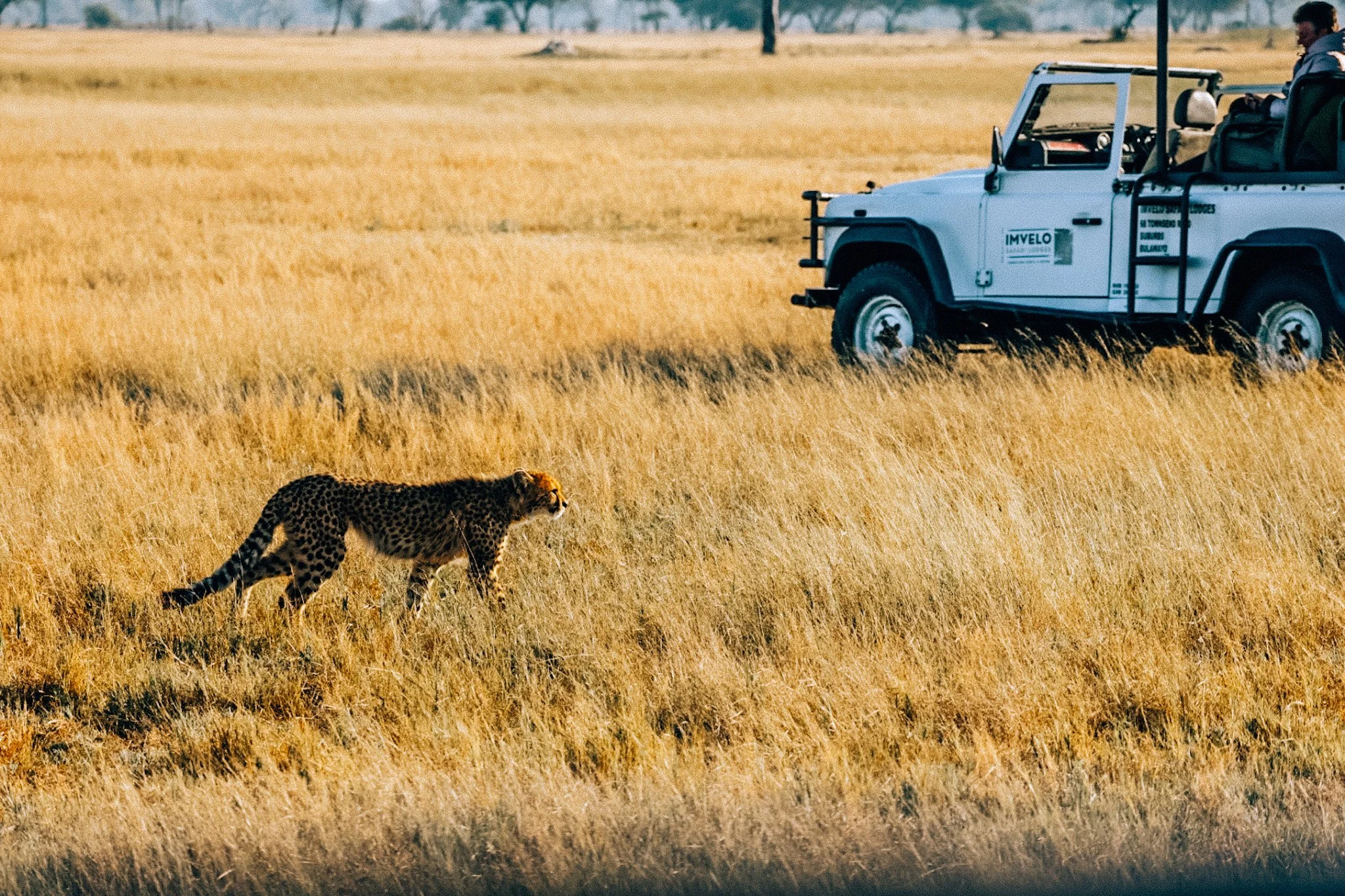
So what happened with that cheetah cub?
I can’t say for sure what happened to him — I left the lodge. Maybe he’s off reunited with Cindy somewhere. Maybe he’s met his own version of Timon and Pumba and is out there living his best Simba life. Maybe nature took its course, and it’s not the outcome any of us were hoping for.
But either way, it will be the way of the wild. 🧡
Because honestly… that’s not really the point.
Incidents like this happen EVERY DAY in the wild. It’s not about this one cub — it’s about the bigger picture.
It’s about understanding conservation beyond emotion, supporting the people on the ground doing the work every single day, and protecting entire ecosystems through anti-poaching efforts, community programs, education, healthcare, water access, and long-term conservation initiatives that actually give wildlife a future.
If this cub had an impact on you — and especially if you’re one of the people screaming at me to “do something” in the comments — here is a great place to start making an impact.
Support ethical, conservation-focused tourism.
For ethical safari itineraries, lodge insights, conservation stories, and other updates from on the ground here in Africa…
Planning Your Safari?
Here are some of my favourite resources:
- 🛏️AccommodationFind the best deals on reliable stays on my most trusted booking platform
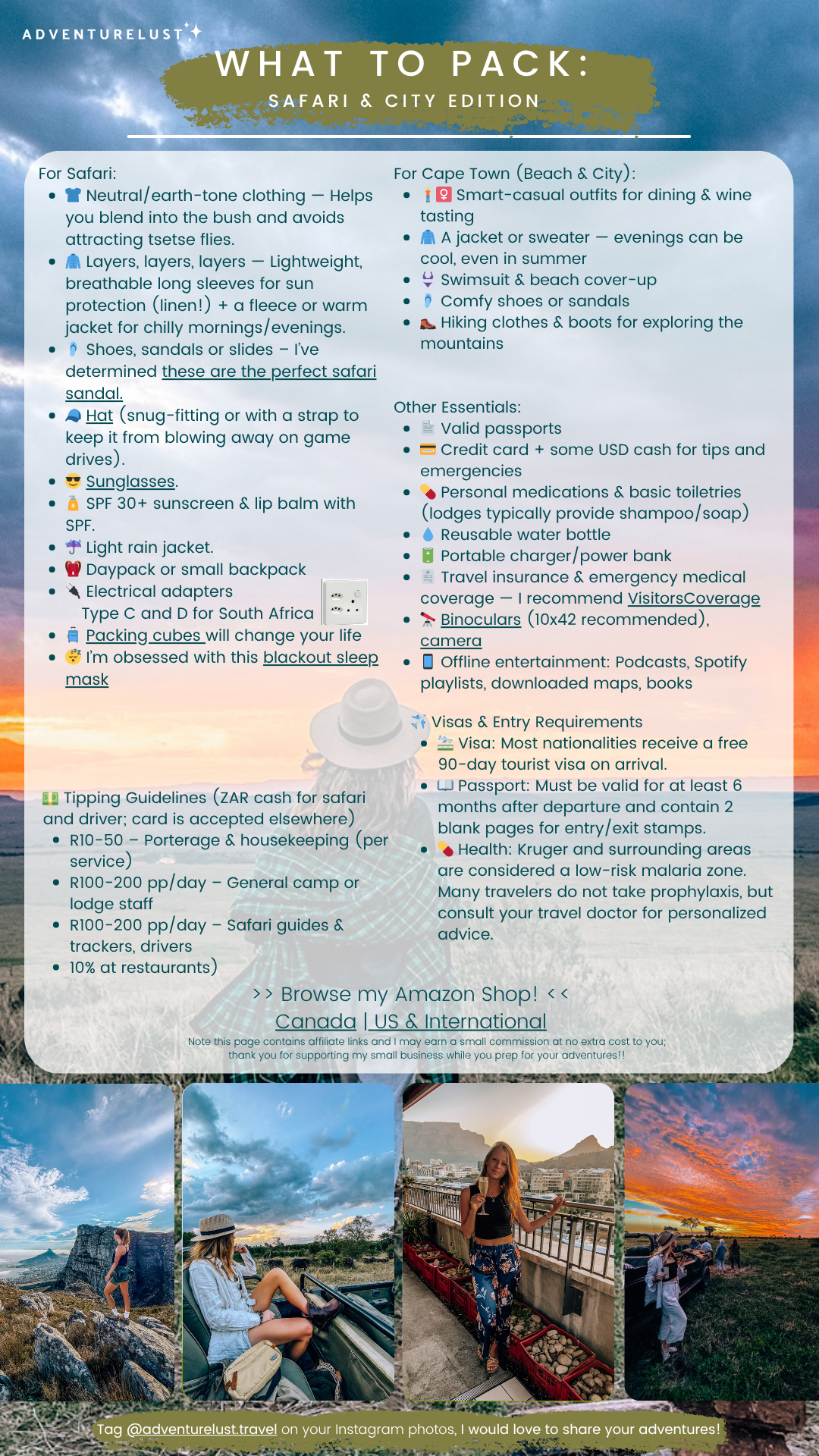
- 🎒PackingPacking lists & travel go-tos: Canadian Amazon Shop | US & International
- 📶InternetStay connected anywhere without Wi-Fi or a physical SIM with an Airalo eSIM
- 🗺️ToursSkip the lines with top-rated local tours, many with free cancellation
- 🛍️My FavesShop the clothes I’m wearing & products I use on my ShopMy page
- 🛡️InsuranceCover yourself for travel or medical emergencies with VisitorsCoverage
*This site contains affiliate links, and I may earn a small commission at no extra cost to you. As an Amazon Associate I earn from qualifying purchases. All opinions are entirely my own, and your support helps me keep sharing honest travel advice, so thank you!!! 🫶🏼